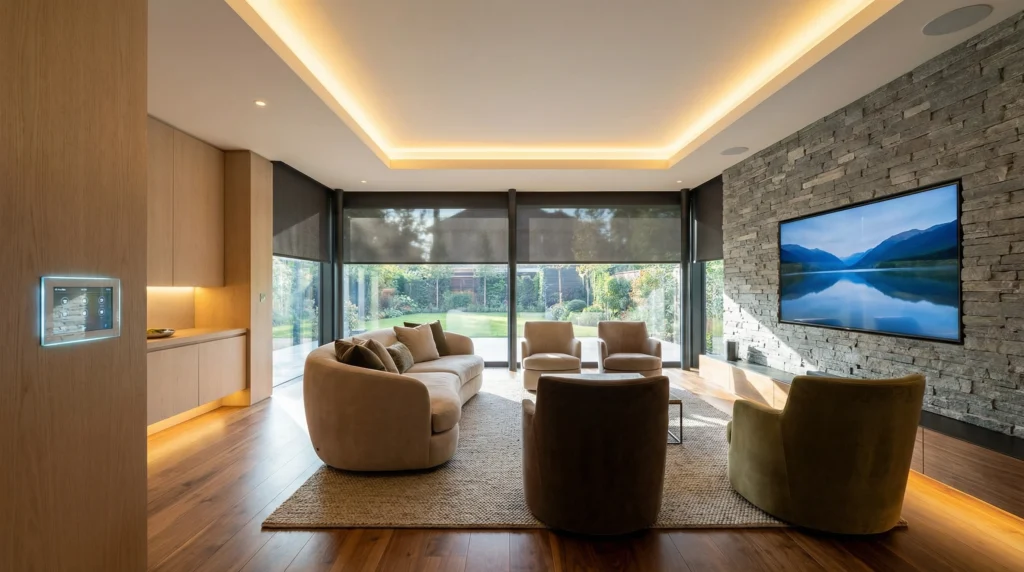
The landscape of home remodeling is shifting rapidly, and one of the most significant changes we are seeing is the seamless incorporation of advanced systems into everyday living spaces. Smart home technology integration is no longer just about flashy gadgets or voice-controlled speakers sitting on a countertop. Instead, it has evolved into a sophisticated approach where technology works quietly behind the scenes to enhance comfort, improve energy efficiency, and provide peace of mind. For homeowners considering a renovation or recovering from a disaster, understanding these trends is crucial for future-proofing their investment.
When planning a remodeling project, many homeowners are now prioritizing hidden performance over visible technology. This means that the “smart” aspects of a home are integrated directly into the architecture and design. For example, automated lighting systems can be programmed to adjust based on the time of day, mimicking natural sunlight to support circadian rhythms and improve overall well-being. Similarly, climate control systems can learn your family’s habits and adjust temperatures automatically, ensuring optimal comfort while reducing energy waste. These subtle enhancements make a significant difference in how a home feels and functions on a daily basis.
Furthermore, the integration of smart technology is becoming increasingly important for sustainability. With rising energy costs and a growing awareness of environmental impact, homeowners are looking for ways to reduce their carbon footprint. Smart home technology integration allows for precise monitoring and control of energy usage. From smart thermostats that optimize heating and cooling to intelligent water leak detectors that can prevent costly damage, these systems offer both environmental and financial benefits. As we look toward the future of home design, it is clear that technology will play a central role in creating sustainable, efficient, and comfortable living environments.
Enhancing Comfort and Convenience Through Hidden Systems
One of the most appealing aspects of modern smart home technology integration is its ability to enhance comfort without disrupting the aesthetic of a space. In the past, adding technology to a home often meant dealing with unsightly wires, bulky control panels, and intrusive devices. Today, however, the focus is on concealment and seamless operation. This approach aligns perfectly with the growing trend of creating warm, layered, and expressive spaces that feel like personal sanctuaries rather than sterile tech hubs.
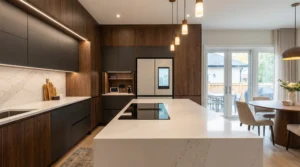
Consider the kitchen, often referred to as the heart of the home. In a modern kitchen remodel, smart technology can be integrated in ways that are both highly functional and virtually invisible. Induction cooktops, for instance, offer precise temperature control and faster cooking times while maintaining a sleek, minimalist appearance. Smart refrigerators can help manage grocery lists and reduce food waste, all while blending seamlessly with custom cabinetry. Even lighting can be integrated into shelving and toe kicks, providing task lighting exactly where it is needed without the need for bulky fixtures.
Beyond the kitchen, smart home technology integration extends to every room in the house. In the bathroom, for example, digital shower systems allow users to set their preferred water temperature and flow rate with the touch of a button. Smart mirrors can provide integrated lighting, defogging capabilities, and even display the morning news or weather forecast. These features not only add a touch of luxury but also improve the overall functionality of the space. By focusing on hidden systems, homeowners can enjoy the benefits of advanced technology while maintaining a clean, uncluttered design aesthetic. If you are ready to explore what a full renovation can look like, our guide on the benefits of choosing a full-service construction company is a great place to start.
The Role of Smart Technology in Disaster Prevention and Recovery
While the comfort and convenience of smart home technology integration are well-documented, its role in disaster prevention and recovery is equally important. For a company like WSC Construction and Restoration, which specializes in both general contracting and disaster restoration, the value of these systems cannot be overstated. By incorporating smart technology into a home, homeowners can significantly reduce the risk of severe damage from events such as water leaks, fires, and electrical failures.
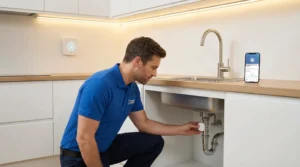
Water damage is one of the most common and costly issues homeowners face. However, with the installation of smart water leak detectors and automatic shut-off valves, the risk can be mitigated dramatically. These devices monitor water flow and can instantly shut off the main water supply if a leak is detected, preventing a minor issue from turning into a major disaster. This type of proactive protection is invaluable, especially for those who travel frequently or own second homes. It provides peace of mind knowing that the property is being monitored around the clock.
In addition to water damage prevention, smart home technology integration also plays a crucial role in fire safety. Advanced smoke and carbon monoxide detectors can do more than just sound an alarm; they can send instant alerts to a homeowner’s smartphone and automatically contact emergency services. Some systems can even integrate with the home’s HVAC system to shut down airflow, preventing the spread of smoke throughout the house. When recovering from a disaster, incorporating these smart safety features into the restoration process is a wise investment that can protect the home and its occupants for years to come.
Future-Proofing Your Home with Sustainable Innovations
As we move further into the decade, the intersection of smart home technology integration and sustainability will become even more pronounced. Homeowners are increasingly aware of the need to build and remodel with the future in mind. This means choosing materials and systems that not only look good but also perform exceptionally well over time. Sustainable innovations are at the forefront of this movement, offering solutions that benefit both the homeowner and the environment.
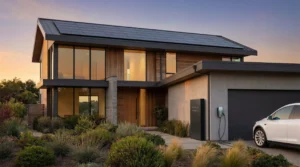
Energy management is a key component of sustainable smart home technology integration. Advanced systems can monitor energy consumption in real-time, providing homeowners with detailed insights into where their power is going. This information can be used to make informed decisions about energy use, such as running high-draw appliances during off-peak hours to save on utility bills. Furthermore, the integration of solar panels and home battery storage systems allows homeowners to generate and store their own clean energy. These systems can be managed intelligently, ensuring that the home remains powered even during grid outages.
Another area where sustainability and technology intersect is in the realm of high-performance building materials. Smart windows can automatically adjust their tint based on the angle of the sun, reducing glare and minimizing the need for air conditioning. Similarly, advanced insulation and air sealing techniques, when combined with smart climate control systems, can drastically reduce a home’s energy demand. By embracing these sustainable innovations, homeowners can create living spaces that are not only comfortable and technologically advanced but also environmentally responsible and resilient for the future. For more on sustainable building choices, explore our post on eco-friendly renovation trends.
Integrating Smart Technology During Your Next Remodel
If you are planning a renovation or restoration project, now is the perfect time to consider smart home technology integration. The key to a successful implementation is careful planning and working with experienced professionals who understand both construction and technology. At WSC Construction and Restoration, we specialize in bringing your vision to life, ensuring that every aspect of your project is executed with precision and care.
The first step in the process is to identify your goals and priorities. Are you looking to improve energy efficiency, enhance security, or simply add convenience to your daily routine? Once your objectives are clear, a comprehensive plan can be developed to integrate the necessary systems seamlessly into your home’s design. This might involve upgrading your electrical panel to support new technologies, installing structured wiring for reliable internet connectivity, or selecting the right smart devices to meet your needs.
It is also important to consider the long-term flexibility of the systems you choose. Technology evolves rapidly, and you want to ensure that your home can adapt to future advancements. Opting for open-standard platforms and scalable infrastructure will make it easier to upgrade or add new devices down the line. By taking a thoughtful and strategic approach to smart home technology integration, you can create a living space that is not only beautiful and functional today but also ready for whatever the future may bring.