
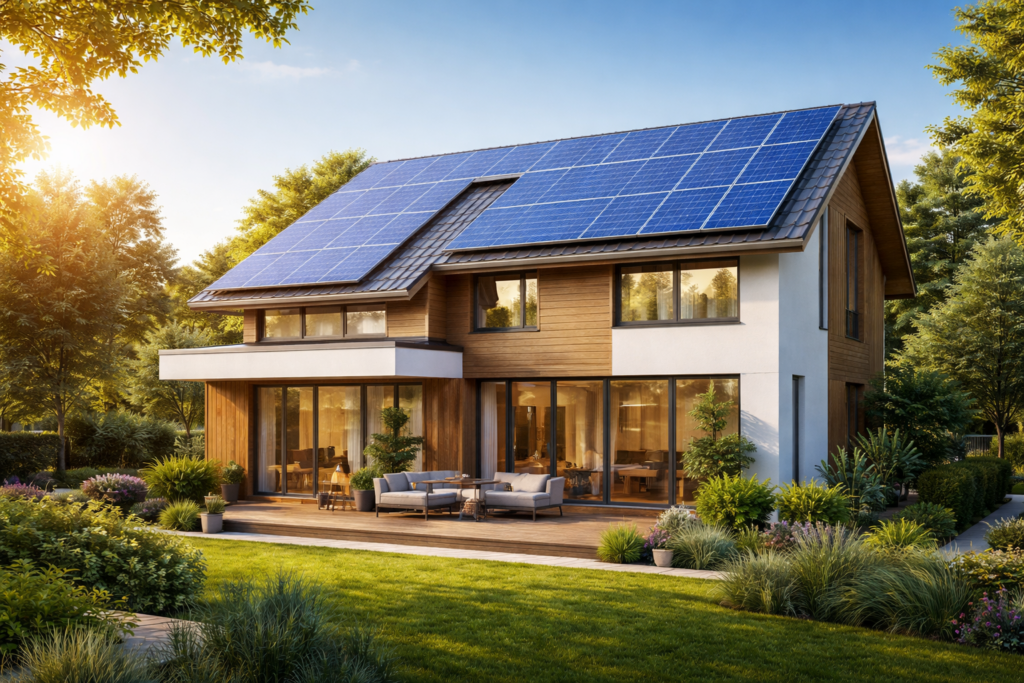
As the demand for eco-friendly living spaces grows, the construction industry is increasingly turning to sustainable building practices. Sustainable homes are designed with the environment in mind, reducing energy consumption and minimizing waste. In this article, we’ll explore the innovations and materials that are shaping the future of homebuilding and how they contribute to a greener planet.
What Makes a Home Sustainable?
Sustainable homes are built using eco-friendly materials and techniques that reduce the environmental impact. These homes focus on energy efficiency, water conservation, and using renewable resources. A sustainable home also minimizes waste during construction and ensures long-term sustainability through energy-saving technologies.
Key Innovations in Sustainable Home Construction
There are numerous innovations in sustainable homebuilding that help to make homes more energy-efficient and eco-friendly. Let’s look at some of the most prominent ones:
1. Solar Power Integration
Solar panels are becoming an essential feature in modern homes. By installing solar panels on rooftops, homeowners can generate their own electricity, reducing reliance on traditional energy sources. Solar energy is a renewable and sustainable option that helps reduce a home’s carbon footprint.
2. Energy-Efficient Insulation
Proper insulation is crucial for energy efficiency. Insulation helps keep homes warm in winter and cool in summer, reducing the need for heating and air conditioning. Advanced materials, such as spray foam and cellulose, offer superior insulation and help maintain consistent indoor temperatures without overusing energy.
3. Green Roofing Systems
Green roofs, or living roofs, are covered with plants that provide insulation and help absorb rainwater. These roofs not only improve energy efficiency but also contribute to reducing the heat island effect in urban areas. Green roofs also improve air quality and provide additional outdoor green spaces in the city.
4. Sustainable Building Materials
Using sustainable materials such as bamboo, recycled steel, and reclaimed wood can significantly reduce the environmental impact of construction. These materials are durable, renewable, and require fewer resources to produce, making them a great choice for environmentally conscious builders.
Benefits of Building Sustainable Homes
The benefits of sustainable home construction go beyond environmental impact. Sustainable homes offer numerous advantages, including:
- Energy Efficiency: Lower utility bills due to energy-efficient systems and materials.
- Reduced Carbon Footprint: Homes that rely on renewable energy sources and sustainable materials help lower carbon emissions.
- Healthier Living Environment: Sustainable homes often have better air quality and less exposure to harmful chemicals.
- Increased Property Value: Green homes are in high demand, increasing their market value.
How to Build a Sustainable Home
Building a sustainable home requires careful planning and the right approach. Here’s a brief overview of the steps involved:
- Plan and Design: Start by working with architects and builders who specialize in sustainable construction. Ensure your design incorporates energy-efficient features like proper insulation and passive heating.
- Select Eco-Friendly Materials: Choose materials that are renewable, recyclable, or reclaimed. Look for certifications like LEED or Energy Star for assurance of the material’s environmental benefits.
- Install Energy-Efficient Systems: Install solar panels, energy-efficient windows, and smart home technologies to reduce energy consumption.
- Minimize Waste: Use building practices that minimize construction waste and ensure efficient use of resources.
- Maintain Sustainability: Ensure that maintenance and operation of the home follow sustainable practices, such as using energy-efficient appliances and water-saving devices.
Explore the Resources Links;
- Green Building Advisor
- Energy Efficiency Financing Programs
- LEED Certification
- Sustainable Building Materials Guide
- Better Homes & Gardens: Green Home Tips
By embracing sustainable home construction, you not only reduce your environmental footprint but also enjoy long-term benefits like lower energy bills and improved living conditions. Start planning your sustainable home today!
Conclusion
Building a sustainable home involves careful design, innovative materials, and energy-efficient systems. With these advancements, it’s possible to create homes that are both environmentally friendly and cost-effective. Whether you’re looking to build a new home or upgrade your existing one, the future of homebuilding is green, and the opportunities are endless.