
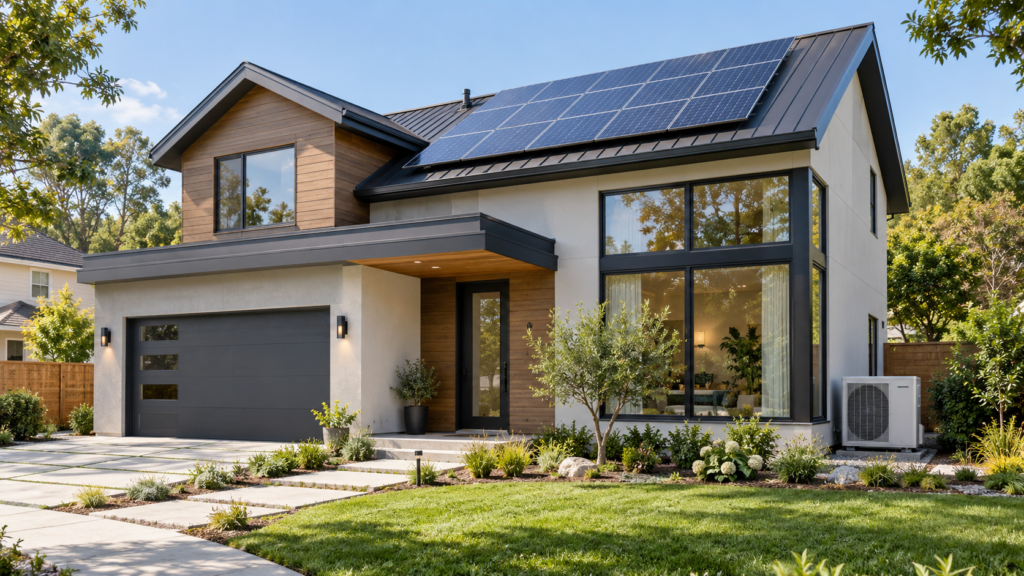
Home remodeling is no longer only about new flooring, updated cabinets, or a more open layout. Increasingly, homeowners are looking at the systems behind the walls and asking a bigger question: is the house ready for the way homes will use energy in the years ahead?
Home electrification remodeling is an approach that prepares a property for efficient electric heating, cooling, water heating, cooking, transportation, and smart energy management. Instead of treating every appliance replacement as a separate project, electrification looks at the house as one connected system. Electrical capacity, insulation, ventilation, wiring, HVAC equipment, water heating, and future upgrades are considered together.
For homeowners already planning a major remodel, this can be an ideal time to future-proof the property. Walls may already be open, electrical work may already be scheduled, and aging mechanical equipment may be close to replacement. Coordinating these improvements can help reduce repeated construction later.
What Is Home Electrification Remodeling?
Home electrification remodeling means upgrading a house so more of its major systems can operate efficiently using electricity. Depending on the property, the project may include a heat pump for heating and cooling, a heat-pump water heater, an induction cooktop, an electric dryer, smart controls, solar preparation, battery storage, or a circuit for future electric vehicle charging.
The U.S. Department of Energy’s home upgrade guidance identifies electrical-panel improvements, heat pumps, electric cooking, and other efficiency measures as important parts of modern home upgrades.
Electrification does not necessarily mean replacing every working appliance at once. For many homeowners, the better approach is to create a long-term plan and make upgrades when existing equipment reaches the end of its service life or when a room is already being renovated.
Start With the Electrical Panel
Before choosing new electric appliances, it is important to understand what the home’s electrical system can support. Older houses may have limited panel capacity, outdated wiring, or too few dedicated circuits for modern equipment.
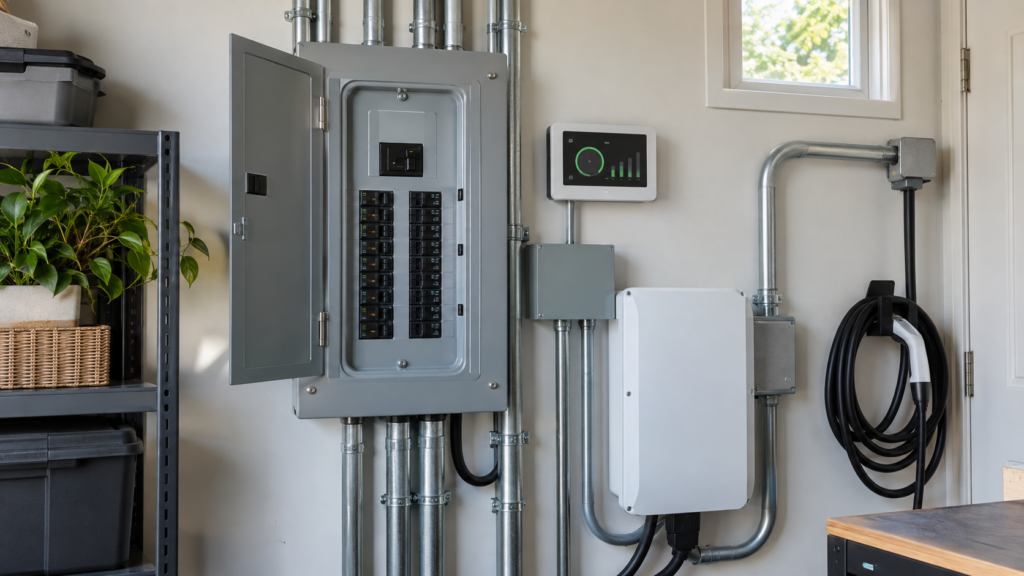
A licensed electrician can review the service size, panel condition, breaker capacity, wiring, and likely future electrical loads. In some homes, an electrical-panel upgrade may be needed before installing equipment such as a heat pump, electric range, EV charger, or heat-pump water heater.
The Department of Energy notes that an electrical panel or circuit upgrade may be necessary when adding new electric equipment. Planning this work early can prevent surprises after cabinets, drywall, or finished surfaces have already been installed.
Not every project requires a larger electrical service. Load-management systems and carefully selected equipment can sometimes help homeowners use existing capacity more effectively. The right solution depends on the house and should be determined by a qualified electrical professional.
Use a Heat Pump for Heating and Cooling
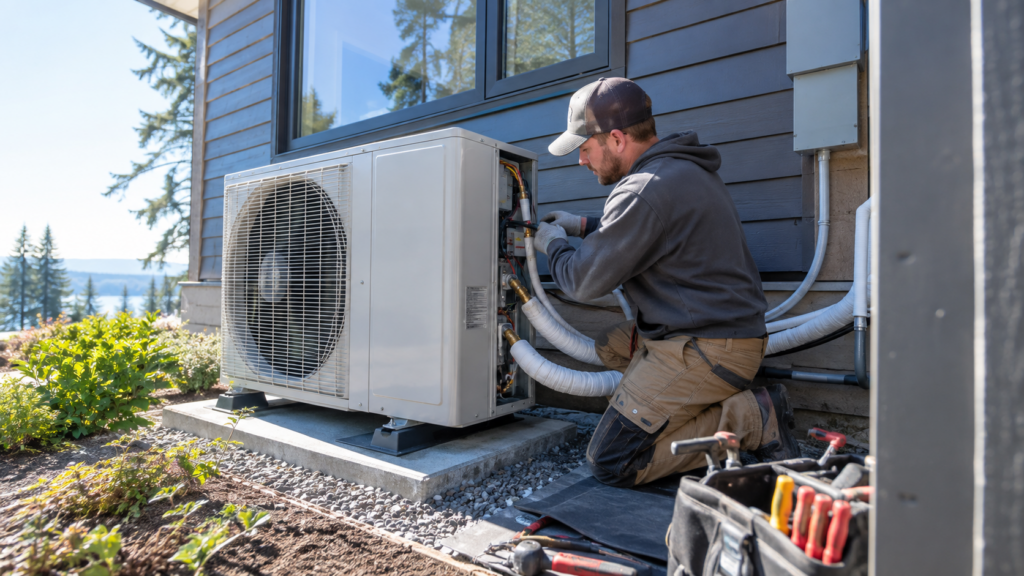
Heat pumps are becoming a major part of home electrification because one system can provide both heating and cooling. Rather than creating heat through combustion, a heat pump moves heat from one place to another.
According to the U.S. Department of Energy, heat pumps can provide an energy-efficient alternative to furnaces and air conditioners because they transfer heat instead of generating it. Modern air-source systems are available in both ducted and ductless configurations, making them suitable for many existing homes.
Proper sizing is essential. A system that is too large or too small can affect comfort, efficiency, and operating performance. If a remodel includes insulation, window replacement, air sealing, or an addition, those improvements should be considered before the final HVAC size is selected.
Homeowners interested in combining HVAC efficiency with connected controls can also review WSC’s article on smart home remodeling trends, which covers automated climate controls, energy monitoring, smart lighting, and other connected-home upgrades.
Consider a Heat-Pump Water Heater
Water heating is another area where electrification can make a major difference. Heat-pump water heaters use electricity to move heat from the surrounding air into a storage tank instead of relying primarily on electric resistance heating.
ENERGY STAR’s heat-pump water heater guidance explains that these systems extract heat from the surrounding environment and transfer it to the water in the tank.
Installation conditions matter. These units need adequate space, airflow, drainage, electrical service, and suitable surrounding temperatures. A garage, utility room, basement, or dedicated mechanical space may work well depending on the home.
If a remodeling project already involves relocating a laundry area, rebuilding a utility room, or replacing an old water heater, it can be a practical time to consider whether a heat-pump model fits the layout.
Upgrade the Kitchen With Induction Cooking
Kitchen remodeling creates another opportunity to electrify the home. Induction cooking uses electromagnetic energy to heat compatible cookware directly rather than heating a traditional electric coil or burning gas.
ENERGY STAR notes that certified electric cooking products can provide efficient cooking, and induction technology can offer fast heating and precise temperature control.
Because an induction range or cooktop may require a dedicated electrical circuit, the decision should be made early in the kitchen-planning process. Running the proper wiring before new cabinets, countertops, and wall finishes are installed can avoid unnecessary demolition later.
Ventilation is still important with any cooking method. The U.S. Environmental Protection Agency recommends properly venting kitchen pollutants outdoors during remodeling and emphasizes the importance of appropriate ventilation in energy-efficient homes.
Improve Insulation Before Adding New Equipment
Electrification works best when the home itself wastes less energy. A poorly insulated or drafty house may need a larger heating and cooling system than a well-sealed home of the same size.
Air sealing, attic insulation, wall insulation, efficient windows, and duct improvements can reduce heating and cooling loads while helping rooms maintain more consistent temperatures. When walls and ceilings are already open for remodeling, upgrading insulation can be significantly easier than returning later.
WSC’s guide to sustainable home construction discusses insulation, solar power, sustainable materials, and other improvements that complement an electrification project.
Prepare for EV Charging
Even homeowners who do not currently own an electric vehicle may want to consider EV-ready wiring during a major renovation. Installing conduit, a dedicated circuit pathway, or reserved panel capacity while other electrical work is underway can make a future charger easier to add.
The best design depends on parking location, service capacity, utility requirements, and whether the charger will be installed in a garage, carport, or exterior parking area.
Preparing now can be especially useful when a project includes a new garage, panel replacement, driveway work, solar installation, or exterior trenching. Future planning does not require purchasing the charger immediately — it simply avoids making the same construction areas accessible twice.
Add Smart Energy Controls
Electrification and smart-home technology work naturally together. Smart thermostats, energy monitors, connected water heaters, load controllers, and automated schedules can help homeowners understand and manage electricity use.
A smart thermostat can coordinate heating and cooling schedules, while a home energy monitor can help identify which systems are using the most power. Load-management equipment may also help balance large electrical loads so the home uses available electrical capacity more efficiently.
These technologies can be particularly useful in homes that eventually combine several systems such as solar panels, battery storage, EV charging, heat pumps, and electric appliances.
Do Not Ignore Indoor Air Quality
A more efficient home should also be a healthy and comfortable home. As air sealing improves, uncontrolled drafts are reduced. That is good for energy efficiency, but it makes planned ventilation even more important.
The EPA explains that remodeling and energy upgrades should address ventilation, moisture, and indoor pollutants together. Its remodeling guidance recommends controlling pollutant sources and providing appropriate mechanical ventilation rather than relying on random air leakage through the building envelope.
Bathrooms should exhaust moisture outdoors, kitchens need effective ventilation, and HVAC upgrades should be coordinated with the overall ventilation strategy.
Plan Electrification in Phases
Many homeowners do not need to complete every electrification upgrade during one project. A phased strategy can make the work more practical and budget-friendly.
For example, the first phase might include an electrical assessment, panel planning, insulation, and air sealing. The next phase could replace an aging furnace and air conditioner with a heat pump. A later kitchen renovation could add induction cooking, while an old water heater could be replaced with a heat-pump model when necessary.
This approach allows homeowners to keep using equipment that is still in good condition while making sure future replacements fit into a larger plan.
Coordinate Electrification With Sustainable Remodeling
Home electrification becomes even more effective when combined with other sustainable renovation strategies. Solar panels can produce electricity onsite, efficient windows can lower heating and cooling loads, and durable building materials can reduce future maintenance needs.
For more ideas, WSC’s article on eco-friendly renovation trends explores sustainable materials, efficient systems, water conservation, and other strategies that work well alongside electrification.
Create a Future-Proof Remodeling Plan
Before construction starts, homeowners should create a simple roadmap for the systems they may eventually want. Consider the age of the HVAC system, water heater, cooking appliances, electrical panel, roof, and vehicle-charging needs.
Ask whether walls will be opened where new wiring could be installed, whether the garage should be EV-ready, whether the electrical panel has room for future circuits, and whether solar or battery storage may be added later.
It is also important to work with qualified professionals. Electrical service upgrades, HVAC installations, ventilation changes, and other major systems may require permits, inspections, or licensed contractors depending on local requirements.
Conclusion
Home electrification remodeling is less about replacing everything at once and more about making smarter long-term decisions. Heat pumps, heat-pump water heaters, induction cooking, upgraded electrical infrastructure, smart controls, insulation, solar readiness, and EV preparation can all become part of one coordinated strategy.
The best time to think about these systems is often before walls are closed, cabinets are installed, or major equipment is replaced. By planning ahead, homeowners can reduce repeated construction, improve efficiency, and create a home that is more adaptable to future technology.
Whether the project is a kitchen remodel, HVAC replacement, whole-house renovation, or major addition, thinking beyond today’s needs can help create a home that remains functional, efficient, and ready for the years ahead.