
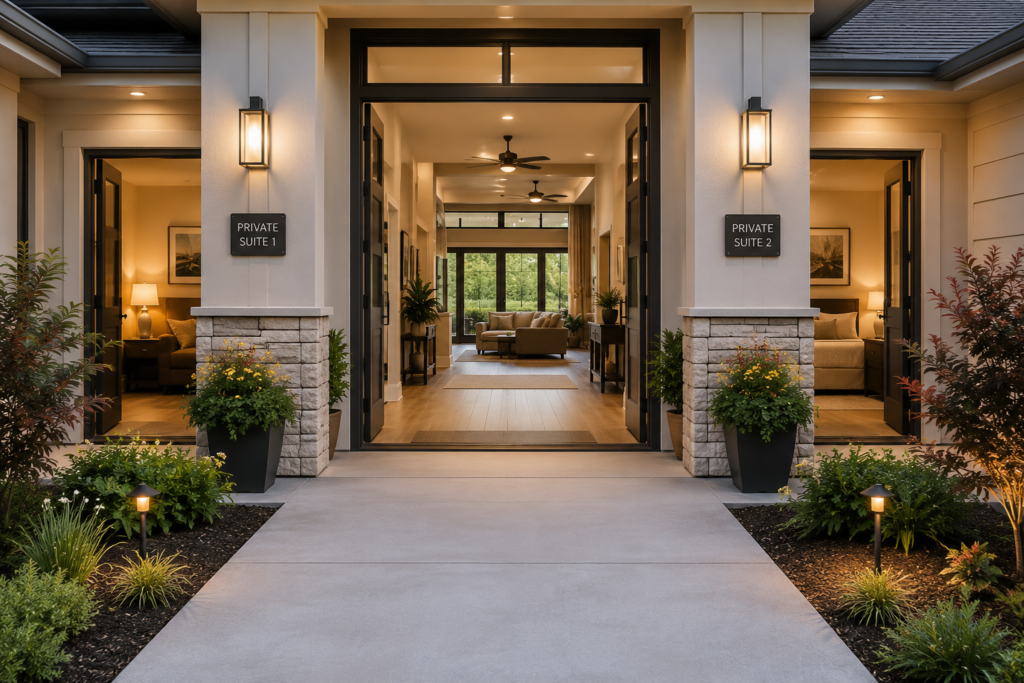
As family structures evolve, multigenerational living is becoming increasingly popular. Homeowners are remodeling to create spaces that accommodate adult children, aging parents, or caregivers while maintaining privacy, comfort, and accessibility. Multigenerational home remodeling emphasizes thoughtful design, functional layouts, and inclusive features that meet the needs of every family member.
Designing a multigenerational home requires balancing shared spaces with private areas, ensuring independence, and integrating accessibility features. These renovations not only improve daily living but also add significant value to your property.
Why Multigenerational Home Design Is Trending
The rise in multigenerational living is driven by several factors, including economic considerations, cultural norms, and the desire to care for aging relatives. According to Pew Research, about 20% of U.S. households include multiple generations under one roof, making remodeling to accommodate this lifestyle increasingly relevant.
Homeowners want renovations that allow each generation to live independently while enjoying shared spaces like kitchens, living rooms, and outdoor areas. Smart layouts, accessibility upgrades, and private entrances are all part of these designs.
Key Remodeling Strategies
When planning a multigenerational remodel, consider the following strategies:
- Private Suites: Bedrooms with attached bathrooms and separate entrances for privacy.
- Shared Spaces: Kitchens, living rooms, and recreational areas designed to accommodate multiple users comfortably.
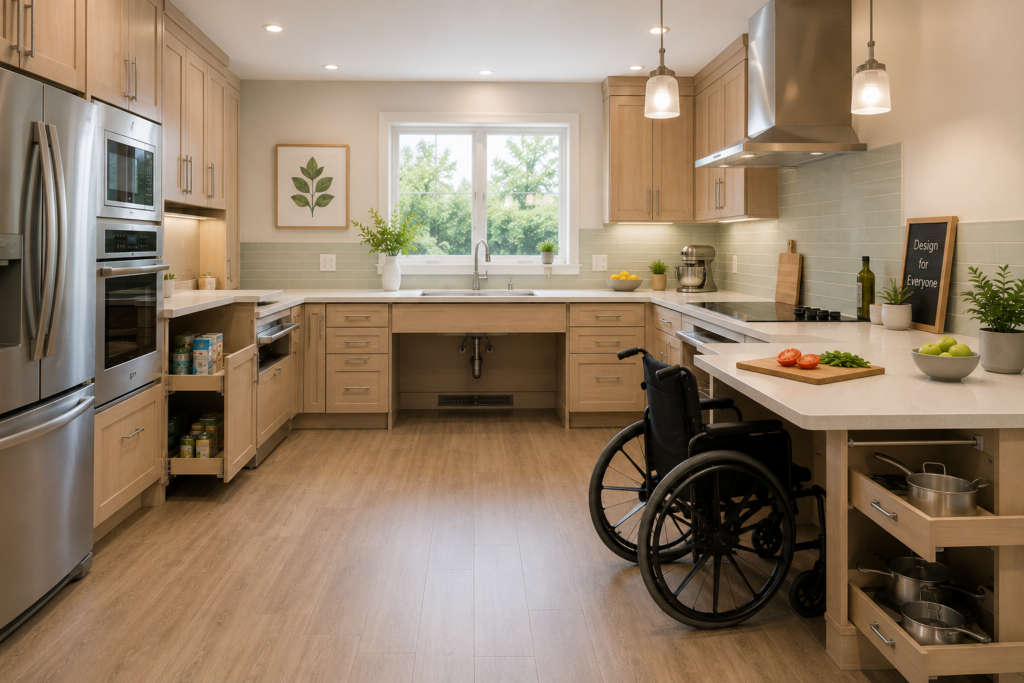
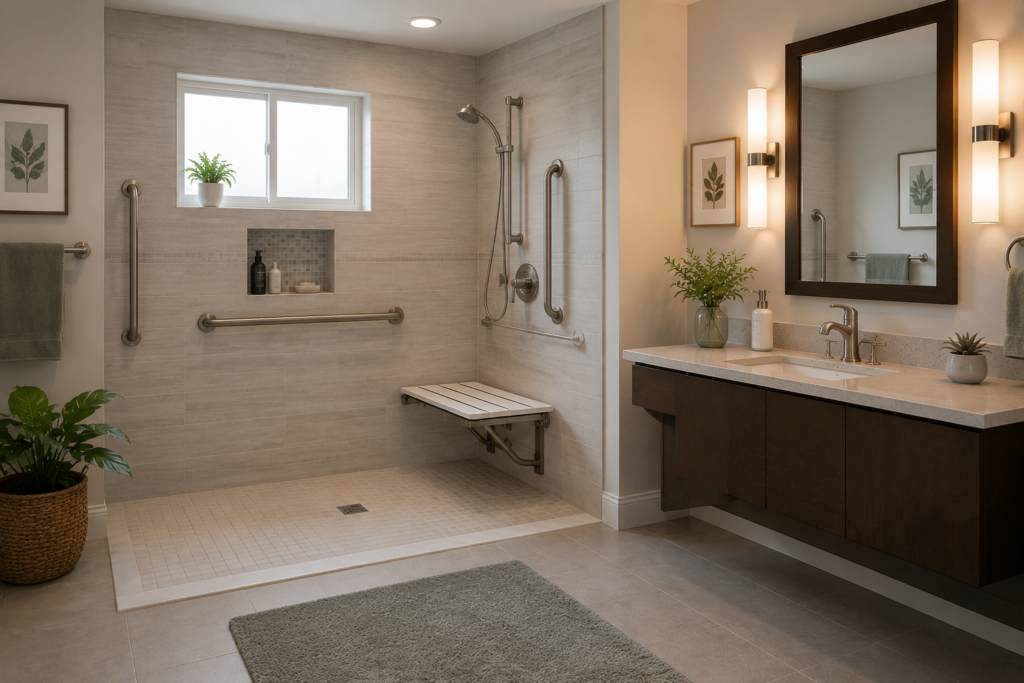
- Accessibility Features: Zero-step entryways, grab bars, adjustable counters, and wide hallways for aging family members.
- Flexible Layouts: Rooms that can serve multiple purposes, such as offices, gyms, or guest suites.
Accessible Kitchens and Bathrooms
Accessibility is essential in multigenerational homes. Kitchens should include pull-out shelves, adjustable countertops, and reachable appliances. Bathrooms benefit from walk-in showers, comfort-height toilets, and grab bars. These features ensure safety and convenience for older adults while maintaining modern aesthetics.
For example, integrating smart appliances can make kitchens more efficient, while universal design principles ensure that every resident can navigate comfortably. For more smart home ideas, check our guide on Smart Home Remodeling.
Creating Private and Shared Living Spaces
Balancing private and shared spaces is critical. Consider adding:
- Separate living areas or small suites with full bathrooms
- Noise-reducing insulation between floors and rooms
- Shared laundry and storage areas designed for multiple users
- Flexible room partitions or sliding doors for adaptable layouts
Outdoor Spaces for Everyone
Outdoor living areas should be included for relaxation, socializing, and recreation. Patios, gardens, and accessible pathways enhance independence and provide safe spaces for children, adults, and seniors. Landscaping should be low-maintenance and safe, with non-slip surfaces and well-lit pathways.
Benefits of Multigenerational Remodeling
- Enhanced Family Bonding: Close living encourages stronger connections while maintaining personal privacy.
- Cost Efficiency: Shared resources reduce household expenses.
- Future-Proofing: Accessibility features ensure the home accommodates residents as needs change over time.
- Increased Home Value: Multigenerational-ready homes appeal to a growing market segment.
Planning Your Multigenerational Remodel
Successful multigenerational remodeling requires careful planning:
- Assess Needs: Determine the privacy, accessibility, and lifestyle requirements of all family members.
- Work With Professionals: Collaborate with contractors experienced in universal design and multigenerational remodeling.
- Plan Layouts: Optimize private and shared spaces for convenience and comfort.
- Budget Wisely: Consider long-term maintenance and accessibility upgrades.
- Incorporate Technology: Smart home features can enhance security, energy efficiency, and comfort.
Learn more about planning effective renovations in our article on Home Remodeling Tips.
Conclusion
Multigenerational home remodeling is a smart approach for families looking to combine comfort, privacy, and accessibility. With careful design and thoughtful upgrades, you can create a home that accommodates multiple generations while remaining stylish, functional, and safe.
Whether adding a private suite, designing accessible bathrooms, or creating flexible living spaces, these renovations make multigenerational living both enjoyable and practical.